
Modern Fire Protection. Listed Building.
A Grade II listed hospitality property needed modern fire protection without damaging the historic building. The answer was a carefully designed wireless fire alarm system that met the Fire Risk Assessment requirement without unnecessary disruption or invasive cabling.

Bring a listed building up to modern fire safety standards — without damaging what makes it special.
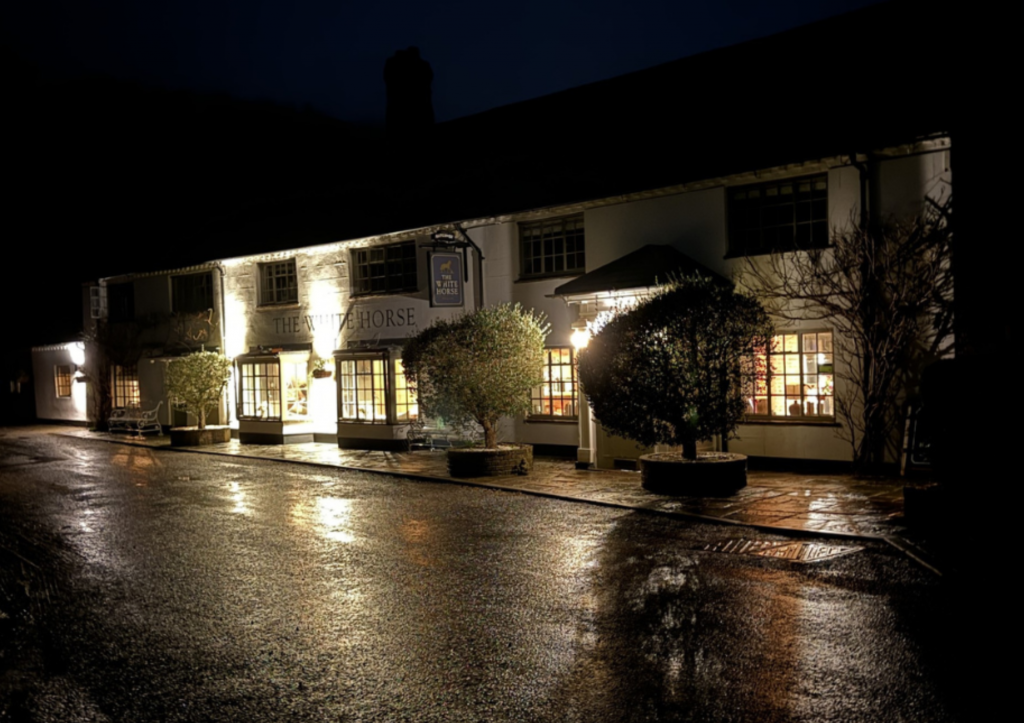
Following a change of tenancy at a Grade II listed property in a picturesque village near Woking, the Fire Risk Assessment identified a significant gap: there was no adequate automatic fire detection and warning system to protect the premises and alert people living above the pub.
The Fire Risk Assessment required an automatic fire detection and alarm system to BS 5839-1 Category L2. That gave us the compliance requirement, but the building itself created a very different challenge: the historic fabric did not lend itself to a conventional wired installation.
A traditional wired solution risked invasive cable routes, unnecessary damage and a much higher project cost. With the property unable to be put back up for let while the fire risk remained unresolved, the solution also needed to be practical, compliant and quick to deliver.
Compliance set the destination. The listed building decided how we got there.
We initially produced a rough design from a desktop review of the Fire Risk Assessment, then sent our estimators to site for a detailed survey. That survey confirmed the key constraint: this Grade II listed property simply did not lend itself well to a conventional wired fire alarm installation.
Installing traditional cabling would have meant working far more aggressively with the building fabric, increasing disruption and cost. Instead, our team looked for a solution that would meet the same life-safety requirement while respecting the property and helping the client get the building ready to let as quickly as possible.
Heritage constraints did not reduce the fire-safety requirement. They changed the installation method needed to achieve it.
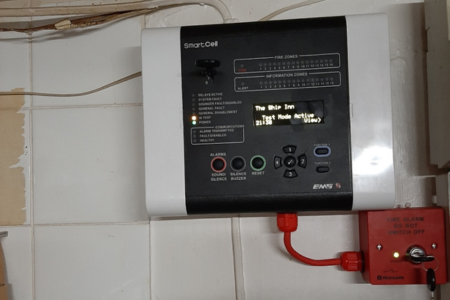
Modern protection without invasive cabling.
Following a wireless survey, our engineers specified a SmartCell system using radio communication between devices. It provided the required fire detection and alarm coverage without the extensive cable routes a conventional system would have demanded — and ultimately proved to be the more cost-effective solution for the client.
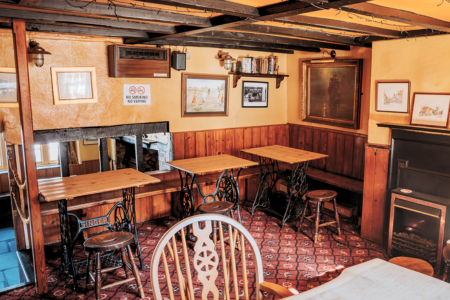
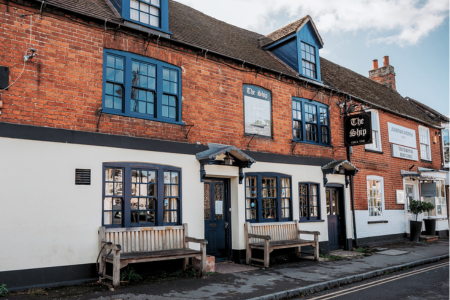
Preparation reduced the time needed inside the listed property.
Once the wireless solution had been agreed, our Electrical Manager revised the design and our engineers coded the devices and main control panel off site. Doing that preparation before arriving at the property reduced the amount of work that needed to be completed inside the listed building.
When installation began, the team completed the physical works within a single day. The following day was dedicated to testing and commissioning, ensuring the radio-linked system operated correctly and the Category L2 requirement had translated into a working installation on site.
The result was a compliant modern life-safety system delivered without the disruptive cable installation that had initially threatened to make the project more complicated, more invasive and more expensive than necessary.
Protect the people. Respect the property.
A listed building does not remove the need for modern life-safety systems, but it can completely change the most appropriate way to install them. In this case, wireless technology allowed the fire alarm design to satisfy the Fire Risk Assessment without forcing a traditional installation method onto a building that was poorly suited to it.
The solution demonstrates the value of designing around the actual property: understand the compliance requirement, survey the constraints, select the right technology and then prove the finished system through commissioning.
Modern fire protection without compromising a historic building.
The completed system gave the property the automatic detection and warning provision required by its Fire Risk Assessment while avoiding the invasive installation methods that a conventional wired solution would have required.
By switching to a wireless SmartCell solution, the project became quicker to install and less disruptive to the Grade II listed fabric. It also reduced unnecessary cost for the customer compared with forcing a traditional wired system into the building.
With installation completed in one day and testing and commissioning completed the next, the outstanding fire risk could be closed out, the necessary paperwork completed and the client could move forward with the property.
Fire safety designed around the property.
More property challenges, properly solved.
Explore more examples of hospitality, commercial property and specialist project work delivered by the Hi-Tech team.
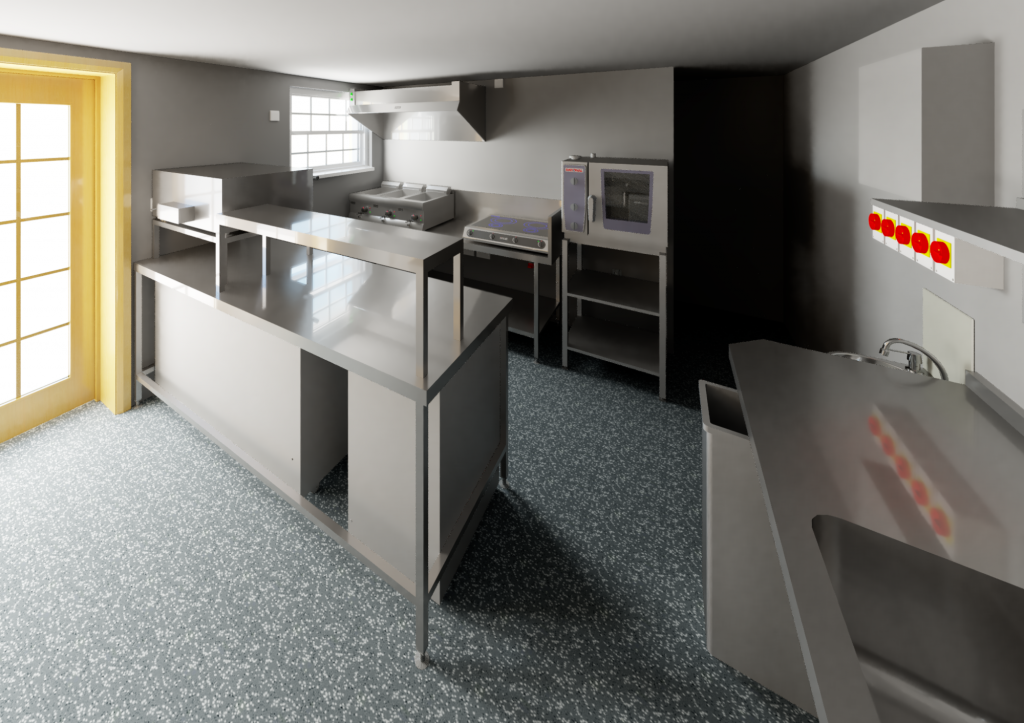
Need modern fire protection in a listed or complex property?
From Fire Risk Assessment requirements and survey through to system design, installation and commissioning, Hi-Tech can shape the solution around both the compliance requirement and the building itself.